This article may contain affiliate links. If you make a purchase through these links, we may earn a small commission at no extra cost to you. This helps us keep creating free content.
Annular Solar Eclipse in Spain, January 26, 2028: Ring of Fire Guide
On January 26, 2028, a ring of fire crosses Spain. This is an annular solar eclipse, the Moon slides across the Sun's centre but is a touch too far from Earth to hide it completely, leaving a brilliant ring of sunlight blazing around a black disc. The band of annularity runs diagonally across roughly half the country, from Andalusia in the southwest to Catalonia in the northeast, and it passes over big, easy-to-reach cities, including Palma de Mallorca.
Annular, not total: what the "ring of fire" means
An annular eclipse is a different creature from the total one Spain gets six months earlier. In a total eclipse the Moon covers the Sun completely and, for a few minutes, you can look with the naked eye at the corona. In an annular eclipse the Moon never fully covers the Sun, a bright ring always remains. That ring is spectacular, but it also means one thing you must not forget:
Where and when: the path of annularity
The ring is only visible from inside the path of annularity, a band that sweeps southwest to northeast across Spain. Outside it, you see a partial eclipse. The ring phase begins in Andalusia at around 16:33 local time and reaches Catalonia by about 16:39, so this is a late-afternoon eclipse with the Sun low in the winter sky. That low Sun is the main observing challenge: you will want a clear, open view towards the southwest.
Unlike the 2027 total eclipse, which only clips Spain's remote southern tip, the 2028 ring passes directly over major cities you can reach without much effort:
| City | Ring duration (approx.) |
|---|---|
| Seville, Córdoba, Albacete | over 7 minutes |
| Málaga, Granada, Alicante | about 5 minutes |
| Palma de Mallorca | about 5 minutes |
| Girona | about 5 minutes |
Palma de Mallorca in the ring
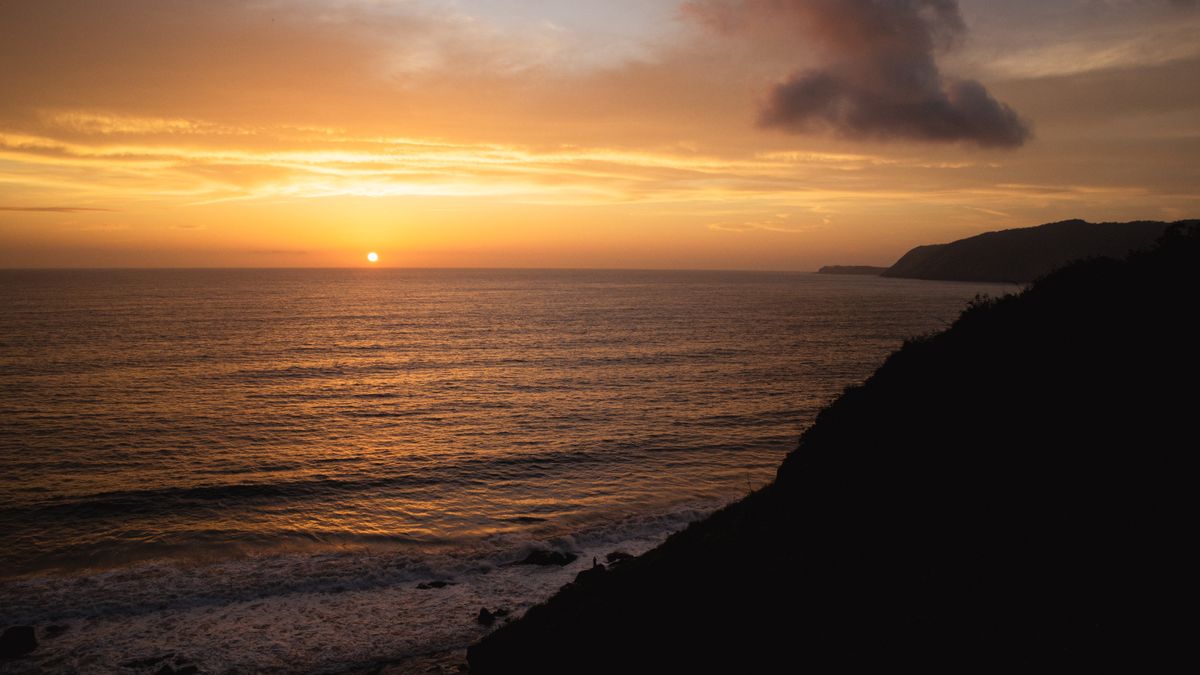
For anyone on the Balearics, 2028 is the local highlight of the trilogy. Palma de Mallorca sits inside the band of annularity with roughly five minutes of ring of fire. That makes it a fitting bookend: Mallorca opened Spain's eclipse run with a total eclipse at sunset in August 2026, and closes it with a ring of fire in the winter of 2028. Because the Sun will be low in the late-afternoon sky, a spot with an open southwestern horizon, a west-facing coast, a hilltop, a rooftop, will make all the difference.
The winter-Sun challenge
The biggest practical hurdle in 2028 is the geometry. In late January the Sun sits low in the afternoon and is heading for the horizon during the eclipse. A hill, a building or a tree line to your southwest can block the view entirely. Scout your location in advance, ideally at the same time of day a few days before, and have a clear line of sight. Winter also means a higher chance of cloud than the bone-dry August of 2027, so build in a backup plan and watch the forecast.

How it fits Spain's eclipse trilogy
January 26, 2028 is the finale of an extraordinary sequence. In just eighteen months Spain hosts three solar eclipses: a total one over the Balearics in August 2026, a total one over Andalusia in August 2027, and this annular ring across half the country in 2028. No other nation on Earth has that run. If you are travelling to Spain for the famous 2027 total eclipse, the 2028 ring is worth marking on the calendar too, and unlike 2027, it passes right over cities most visitors already know. Our complete guide to the 2027 total eclipse covers the headline event, and the trilogy overview lays out all three side by side.
Eye safety for an annular eclipse
It bears repeating because annular eclipses catch people out. The ring of fire looks like the danger has passed, it has not. That ring is raw, unfiltered sunlight, bright enough to damage your eyes in seconds. Wear ISO 12312-2 certified eclipse glasses throughout, and never point an unfiltered camera, phone, binoculars or telescope at the Sun. Optical instruments need a dedicated front solar filter, a filter over the eyepiece can crack from the concentrated heat.
Celestron EclipSmart ISO Eclipse Glasses (4-Pack)
ISO 12312-2:2015 certified solar-filter glasses, required for the entire annular eclipse, from first contact to last. Buy early; certified glasses sell out before major eclipses.
Check price on Amazon →Plan your ring-of-fire day
Pick a city or spot inside the band with an open southwestern horizon. Aim for the inland centre-line cities, Seville, Córdoba, Albacete, if you want the longest ring, or Palma, Málaga, Alicante or Girona if they suit your travel plans better. Bring certified glasses for everyone, arrive early to claim a clear view, and check the winter forecast with a backup location ready. New to eclipse watching? Our preparation checklist covers the essentials, and the eclipse photography guide explains the filters you need to capture the ring safely.

Frequently asked questions
Is the January 26, 2028 eclipse total or annular?
Annular, a "ring of fire". The Moon covers the Sun's centre but leaves a bright ring, so it never goes fully dark and you must keep certified filters on the whole time.
Can I see the 2028 eclipse from Mallorca?
Yes. Palma de Mallorca is inside the path of annularity with about five minutes of ring. You will want a clear view to the southwest, as the Sun is low in the afternoon.
What time is the 2028 annular eclipse?
The ring phase runs in the late afternoon, roughly 16:33 in Andalusia to 16:39 in Catalonia, with the Sun low in the winter sky.
Which Spanish city gets the longest ring?
Seville, Córdoba and Albacete, near the centre line, each see over seven minutes of annularity.

Do I ever take my glasses off during an annular eclipse?
No. Because the Sun is never completely covered, you must keep ISO 12312-2 filters on for the entire eclipse.
Sources
- Instituto Geográfico Nacional (IGN), Spain, Annular solar eclipse of 26 January 2028
- ESA, Annular solar eclipse 26 January 2028, map of annularity in Spain
- Spain.info, Where to see the eclipses of Spain in 2026, 2027 and 2028
- NSO (National Solar Observatory), January 26, 2028 eclipse map
Published by the Visit Astronomy editorial team. Published August 13, 2026.
Editorial responsibility: see Imprint.
Spotted an error or have something to add? corrections@visitastronomy.com
You might also like
Will the Sky Be Clear? August Weather for the 2027 Eclipse
Inland Andalusia sees under 15% August cloud and 84–93% clear-sky odds, but the Cádiz/Tarifa coast risks morning fog. How to plan clear-sky backups.
Spain's Three Solar Eclipses: 2026, 2027 and 2028
Spain sees three solar eclipses in 18 months — two totals and a ring of fire. Here's what makes the run unique and which one to chase.
Where to Watch the 2027 Total Eclipse in Spain
Tarifa, Cádiz, Marbella, Málaga or Ceuta? Compare the best towns for the 2 August 2027 total eclipse, weighing totality length against clear-sky odds.
Explore more
All articles on Visit Astronomy →
The Night Sky, Delivered
New guides, celestial events, and astrophotography tips — every week in your inbox.
🎁 Free bonus: Beginner Stargazing Checklist (PDF)