This article may contain affiliate links. If you make a purchase through these links, we may earn a small commission at no extra cost to you. This helps us keep creating free content.
Spain's Three Solar Eclipses: 2026, 2027 and 2028
Spain will host three solar eclipses in just 18 months, a total eclipse on 12 August 2026, a second total on 2 August 2027, and an annular "ring of fire" on 26 January 2028. No other country on Earth gets this run. If you live in Spain, or can travel there even once in that window, you have a shot at experiences most skywatchers wait a lifetime and cross oceans to see.
Each of the three is a different kind of event, arriving at a different time of day, favoring a different corner of the country. Understanding how they differ is the first step to deciding which one to chase, and whether, greedily and gloriously, you might chase all three. Here is the whole trilogy at a glance, followed by what makes each one special and who it is really for.
| Date | Type | Where it's best | Best duration | Time of day / Sun |
|---|---|---|---|---|
| 12 Aug 2026 | Total | Balearic Islands / Mallorca | ~96 seconds | Sunset, Sun only 2–3° high |
| 2 Aug 2027 | Total | Southern Andalusia (Cádiz, Málaga) | up to 4m 39s (Tarifa) | Late morning, Sun ~38° high |
| 26 Jan 2028 | Annular | Half of Spain, SW→NE (Seville to Catalonia) | up to 7+ min (Seville/Córdoba) | Late afternoon, low winter Sun |
2026: the sunset total over Mallorca
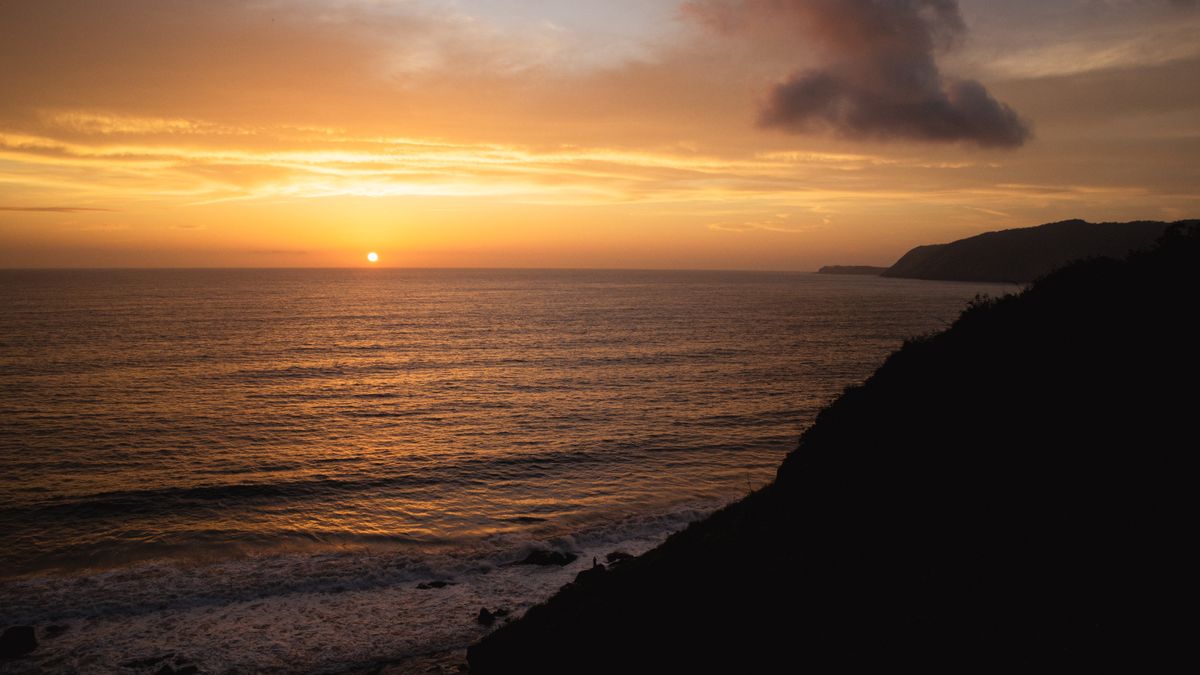
On 12 August 2026 the Moon's shadow will sweep across Spain's Balearic Islands, bringing roughly 96 seconds of totality to Mallorca at 20:31 local time. This is a sunset eclipse: the Sun will sit only 2 to 3 degrees above the horizon when it goes dark, which makes it visually dramatic, the black disk of the eclipsed Sun hanging low over the Mediterranean, but also demanding. You need a location with a completely unobstructed western horizon, because a single ridge, building, or bank of haze can hide the whole show.

It is the first total eclipse over Mallorca since 1905, and its short duration and low Sun make it the connoisseur's event of the three: spectacular if the horizon cooperates, unforgiving if it does not.
2027: the high-Sun total across Andalusia
Celestron EclipSmart ISO Eclipse Glasses (4-Pack)
ISO 12312-2:2015 certified solar filter glasses with guidebook, the bare-minimum eclipse-day kit for the whole family.
See on Amazon →* Affiliate link
The centerpiece of the trilogy arrives on 2 August 2027, when a total eclipse crosses southern Spain in late morning with the Sun a generous 38 degrees high. Tarifa gets the longest mainland totality at 4 minutes 39 seconds; Marbella, Cádiz and Málaga all sit inside the path with their own durations, and Ceuta and Melilla catch more than four and a half minutes. Inland Andalusia in early August is famously cloudless, giving this eclipse the best combination of long duration, comfortable Sun height, and reliable weather of any of the three.
This is the one to build a trip around. Our full 2027 total eclipse guide walks through the timeline, the where-to-watch town comparison helps you pick a base, and the duration-by-city breakdown shows exactly how your minutes change as you move toward the center line. If you are weighing Spain against the day's longest totality far to the east, our Spain vs. Egypt comparison lays out that choice.
2028: the ring of fire across half the country
The trilogy closes on 26 January 2028 with an annular eclipse, a "ring of fire," where the Moon is too far from Earth to cover the Sun completely and instead leaves a brilliant ring of sunlight around its edge. This one is generous with geography: the annular path runs southwest to northeast across roughly half of Spain, starting in Andalusia around 16:33 and reaching Catalonia by about 16:39. Seville, Córdoba and Albacete get more than seven minutes of the ring; Málaga, Granada, Alicante, Palma de Mallorca and Girona get around five.
Because it is late-afternoon in deep winter, the Sun sits low, which makes it a harder observation than the summer events, but the sheer breadth of the path means a large share of the Spanish population can see it close to home. Full details are in our 2028 annular eclipse guide.

Which one should you chase?
Pick the eclipse that matches what you want and where you can be.
- Chasing your first-ever totality? Go for 2027. The high Sun, long duration and dependable Andalusian weather make it the most reliable and the most rewarding.
- Drawn to drama and already near the Balearics? The 2026 sunset total over Mallorca is short and technically demanding, but a black Sun over the sea at dusk is unforgettable, if you secure a clean western horizon.
- Want the widest reach and can't travel far? The 2028 annular passes over half the country, so there is a strong chance it comes close to you. Bring certified filters and a plan for the low winter Sun.
- Greedy for all three? It is genuinely possible, and no other place on Earth offers it in an 18-month span.
Whichever you target, the preparation overlaps. Start with our eclipse-watching preparation checklist, then use the Spain eclipses hub as your home base for every guide in this series. Three eclipses, one country, 18 months, that is not a coincidence you get to see twice.
Sources
- IGN Spain (Instituto Geográfico Nacional), eclipse paths and circumstances for Spain
- Spain.info, Spanish eclipse tourism information
- NSO (National Solar Observatory), solar-viewing safety guidance
- EclipseWise, eclipse type, timing and duration data
- timeanddate, local eclipse times, durations and Sun altitude
Published by the Visit Astronomy editorial team. Published August 21, 2026.
Editorial responsibility: see Imprint.
Spotted an error or have something to add? corrections@visitastronomy.com
You might also like
Where to Watch the 2027 Total Eclipse in Spain
Tarifa, Cádiz, Marbella, Málaga or Ceuta? Compare the best towns for the 2 August 2027 total eclipse, weighing totality length against clear-sky odds.
Will the Sky Be Clear? August Weather for the 2027 Eclipse
Inland Andalusia sees under 15% August cloud and 84–93% clear-sky odds, but the Cádiz/Tarifa coast risks morning fog. How to plan clear-sky backups.
Total Solar Eclipse in Spain, August 2, 2027: The Complete Guide
On August 2, 2027, up to 4m39s of totality sweeps across southern Spain. Path, times, best towns, weather odds and safety — the complete eclipse-chaser guide.
Explore more
All articles on Visit Astronomy →
The Night Sky, Delivered
New guides, celestial events, and astrophotography tips — every week in your inbox.
🎁 Free bonus: Beginner Stargazing Checklist (PDF)